
As most readers may well be aware, the legalities of the sale of a French property are a two-stage process. It begins with signing of the sale and purchase contract, the compromis de vente and finishes with signing of the deal of sale, the acte authentique.
The importance of the sale and purchase contract cannot be understated as it is legally binding on both parties, subject only to a 10-day cooling off period for the buyers, any conditional clauses contained in the contract and establishing that the seller has proper title.
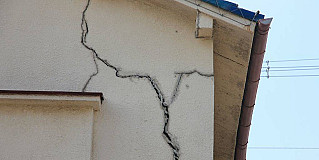
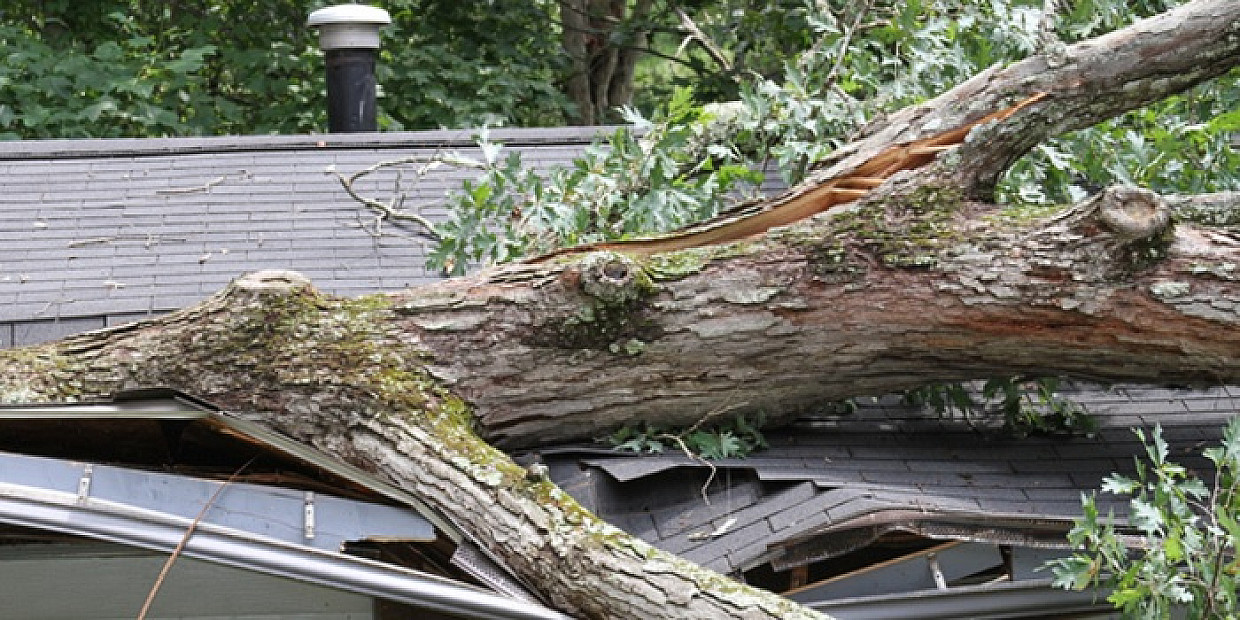
The whole process normally takes two to three months, during which time of course the property may be damaged by a weather, a flooding incident arising from a leak, or vandalism, particularly if it is empty.
Where it occurs after completion, the position is catered for in statute law, under Article 121-10 of the code d’assurance, which states that the insurance of the seller is automatically transferred to the buyer, as follows:
En cas de décès de l'assuré ou d'aliénation de la chose assurée, l'assurance continue de plein droit au profit de l'héritier ou de l'acquéreur, à charge par celui-ci d'exécuter toutes les obligations dont l'assuré était tenu vis-à-vis de l'assureur en vertu du contrat.
Nevertheless, the law also permits the seller to terminate their insurance policy and allows the buyer to take out their own insurance policy. As most sellers will wish to terminate their own policy as quickly as possible, most buyers take out their own policy to ensure their interests are fully covered.
The issue of whether the transfer of insurance cover arises following signing of the sale and purchase contract, and before transfer of the property had taken place, is one the courts have in the past interpreted in different ways.
Thus, where subsidence has occurred to a property after a sale, but the cause of which occurred prior to the sale, the courts have determined that the new owner has no right to compensation; only the owner at the time of the damage was the beneficiary.
Conversely, where works were carried out to a property which are later the result of a claim by a subsequent owner, the courts have determined that the new owner is covered by the 10-year building guarantee. Indeed, 10-year policies taken out by a builder automatically cover subsequent owners.
In a case that was recently heard in the French Supreme Court, the Cour de Casssion, the property sold was degraded by acts of vandalism between the signature of the sale and purchase contract and signing of the deed of sale. In consequence, the seller considered the sale contract to be null and void, a view that was contested by the buyer, who also claimed they should be covered by the seller's insurance policy.
Although the court of appeal considered that vandalism to the property did not render the contract void, they ruled that as the incident occurred prior to completion, the benefit of the insurance was to the seller.
This judgement was overturned in the Cour de Cassation, who ruled that the purchaser had sole standing to bring proceedings for payment of compensation against the insurer.
Accordingly, unless otherwise stipulated in the contract, all the rights arising from the insurance policy of the seller are transferred to purchaser, even though the incident predates the transfer of ownership.
Related Reading: