
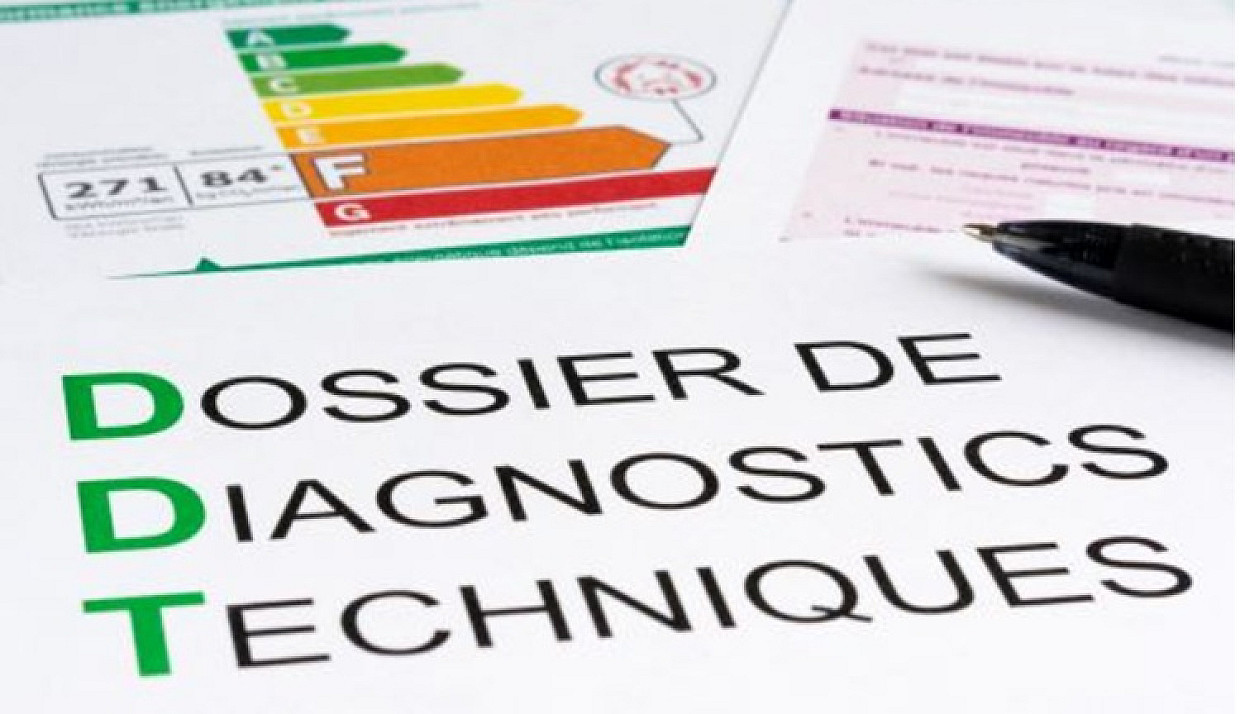
The events go back to June 2014, when a couple purchased a house. Prior to the sale, Envisio, an inspection firm insured by Gan Assurances, carried out the mandatory termite inspection. The report concluded that no termites were present.
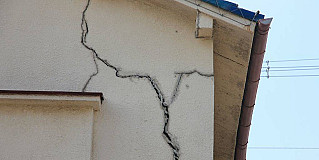
Several years later, however, the homeowners discovered significant wood-decaying fungi in the roof structure, causing serious deterioration. An expert investigation later established that visible signs of damage were already present at the time of the inspection and should have drawn the inspector’s attention.
Believing that Envisio had been negligent, the buyers sued Gan Assurances seeking full compensation for the repair costs and resulting losses.
The court of appeal agreed that a fault existed: under the professional standard in force at the time, the inspector was required to probe any accessible wooden elements showing signs of deterioration. This had not been done.
However, the judges limited compensation to 20% of the total damages, corresponding to the buyers’ loss of chance to have taken timely remedial action.
The buyers contested the decision before the Cour de Cassation arguing that their losses were certain and that an erroneous diagnostic report should lead to full compensation. They considered that the inspector’s failure to report such visible degradation treated in the same way as an incorrect termite diagnosis, which normally triggers full liability.
The Cour de Cassation rejected their arguments, stating that the law requires only a termite inspection (in specific areas). However, a fungal or wood-decay diagnostic is not mandatory and any mention of other wood-damaging agents in the termite report is merely informative, intended to alert the buyer.
Consequently, failure to mention fungi or other parasites gives rise only to loss-of-chance compensation, not to full reimbursement of the resulting damage. The Court therefore upheld the court of appeal’s decision.
Related Reading: