
French authorities say a British-led investment scheme tied to a château development in central France may have defrauded investors out of as much as €16 million.
One British suspect has now been arrested in Spain, while investigators continue searching for another man connected to the project.
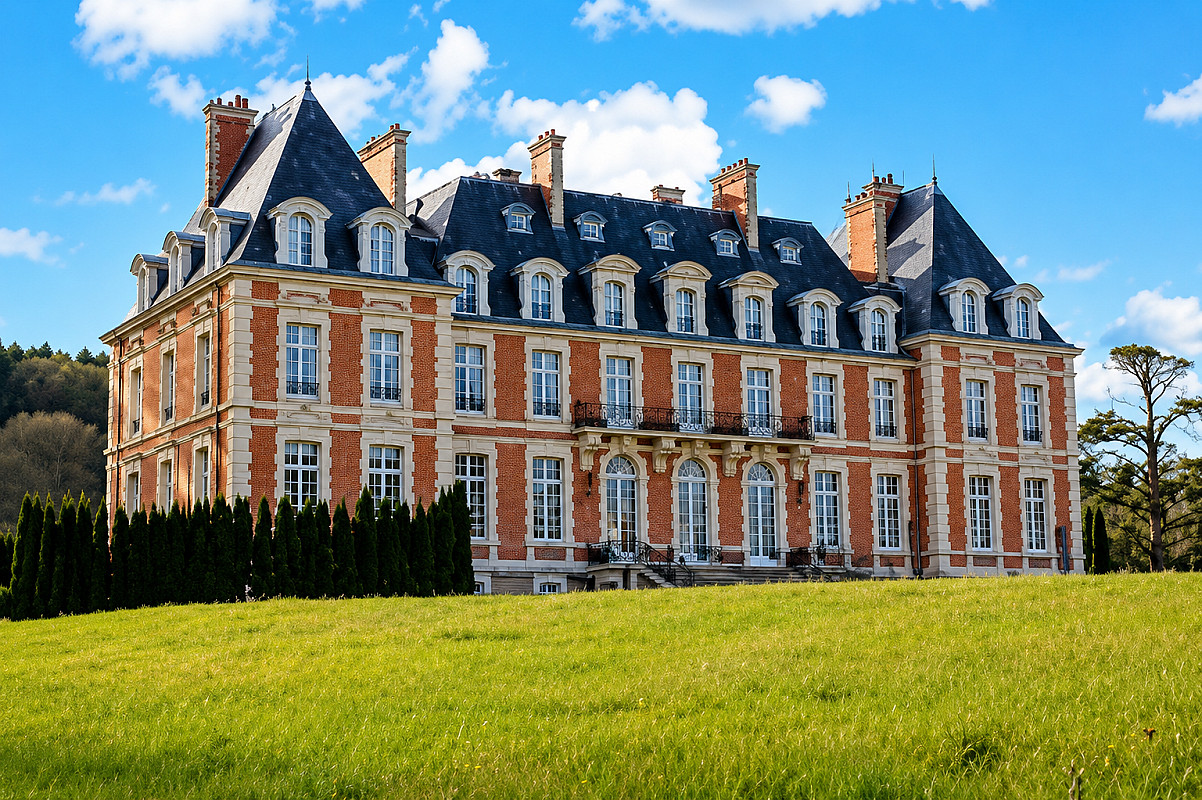
The case centres on Château de la Cazine, a grand 19th-century estate near Noth in the Creuse department of central France, roughly 60 kilometres north of Limoges.
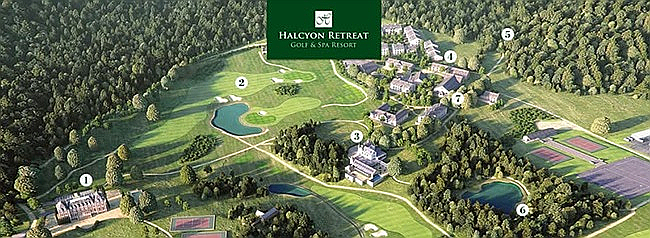
Once promoted as the future site of the “Halcyon Retreat Golf and Spa Resort”, the estate was marketed as an exclusive destination featuring luxury lodges, a championship golf course, wellness facilities and guaranteed returns for investors.
Instead, according to French prosecutors, construction work never properly began.
The Bordeaux prosecutor’s office confirmed that French investigators, supported by Europol, travelled to London and Marbella in southern Spain as part of the inquiry. Arrest warrants were issued for two British businessmen linked to the project.
One of them, identified in British and French media as 56-year-old Robin Barrasford, was arrested in Spain and is awaiting extradition to France. Barrasford reportedly served as a police sergeant in Sussex before moving into international property development.
French authorities allege that investor money was diverted through offshore bank accounts instead of being used to build the resort.
The second man connected to the project, businessman Alan Bird, has not been arrested. French police are continuing their investigation.
The inquiry focuses on suspected fraud, money laundering and the handling of investor funds over more than a decade.
The Luxury Dream That Never Materialised
The Halcyon Retreat project was first announced in 2013 and marketed heavily to British and international investors seeking a slice of the European luxury tourism market.
Brochures and online advertisements promised a lavish 220-acre development in what promoters described as the “French Lake District”. Planned features included:
More than 350 luxury residences
A full-service spa
Restaurants and patisserie cafés
Sports facilities and children’s play areas
An 18-hole golf course
Fully managed holiday homes with guaranteed rental income
Investors were invited to purchase either full ownership or fractional shares in apartments and chalets. Promotional materials promised annual returns of between 6% and 10%, alongside opportunities for personal holiday use.
Some buyers invested life savings or pension funds into the scheme.
At the centre of the sales pitch was the promise of a hassle-free investment. Advertising on social media claimed owners would receive “fully furnished and completely maintained” holiday properties while earning reliable income from tourist rentals.
The development also claimed to have links with Wyndham Hotels and Resorts, the global hospitality company operating thousands of hotels worldwide. Promotional brochures suggested the partnership would provide strong international exposure and long-term occupancy.
But despite years of marketing, the site itself reportedly remained largely untouched.
Many buyers say they initially received small payments or reassurances from the developers before communication began to dry up. Others claim they struggled for years to obtain clear information about the status of the project or the whereabouts of their money.
Online groups and review platforms have become gathering places for frustrated investors exchanging stories of missed payments, delayed construction and broken promises.
According to investors, explanations from the developers changed repeatedly over time. Delays were blamed on financing difficulties, restructuring efforts and administrative problems.
Meanwhile, advertisements for the resort reportedly continued to appear online long after concerns about the project had intensified.
The château hotel itself eventually entered liquidation proceedings in France in 2025.
French authorities later seized the estate through the country’s asset recovery agency as part of the ongoing investigation.
Halcyon Retreat reportedly raised money using loan notes and fractional ownership arrangements — products often considered high-risk because investors can lose all of their capital if projects fail.
In the United Kingdom, the Financial Conduct Authority (FCA) has repeatedly warned consumers about unregulated mini-bonds and overseas property schemes promising unusually attractive returns.
Some investors were reportedly introduced to the French development through financial advisers, pension providers or overseas property intermediaries..
If extradited, Barrasford is expected to face questioning in France over allegations connected to fraud and money laundering.
For investors, however, the prospect of recovering their money remains uncertain.
Some are pursuing legal action against financial advisers or pension intermediaries who recommended the scheme. Others are exploring possible compensation routes through Britain’s Financial Ombudsman Service or the Financial Services Compensation Scheme.
Related Reading: