
21st Oct 2022
It is, of course, a well-established principle in the car insurance industry that an insurer may refuse a claim for repairs if the cost of the work exceeds the value of the vehicle.
However, in the insurance of real estate in France the law operates somewhat differently, as was recently illustrated by a case that was heard in the French supreme court, the Cour de Cassation.
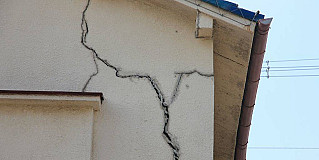
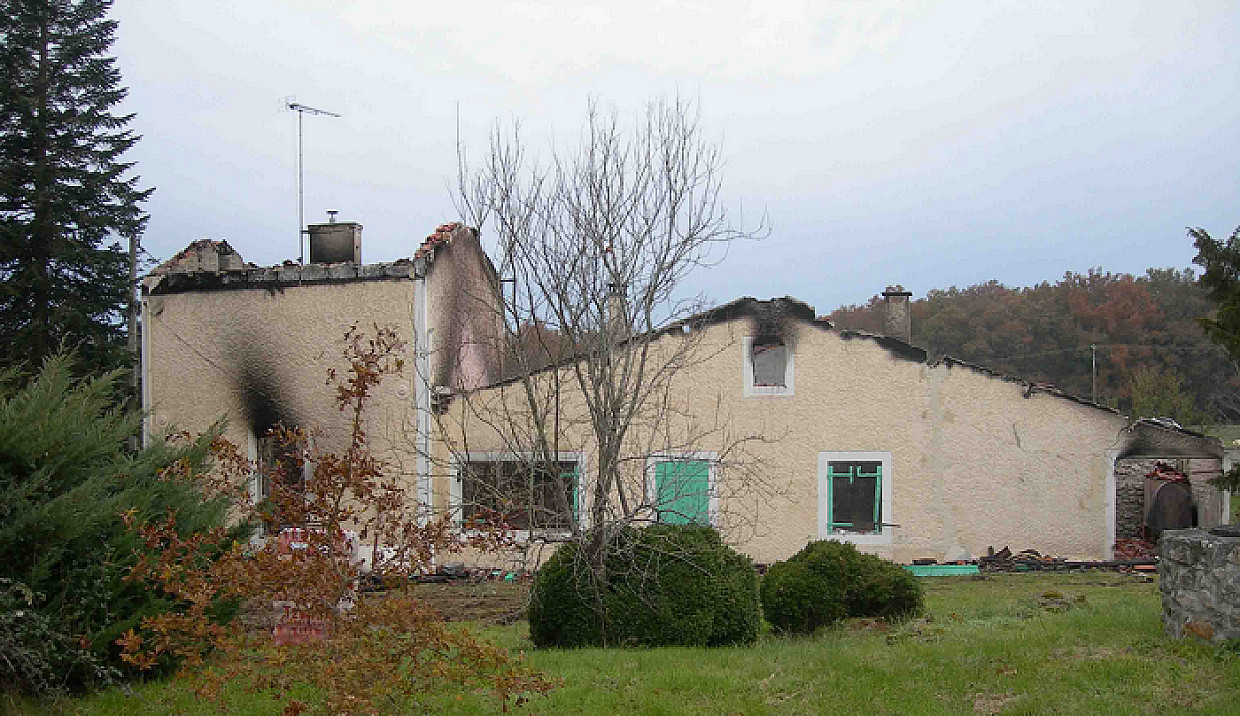
In the case, the roof of a terraced house collapsed through having been weakened by termites and water infiltration.
In the process, the incident damaged several neighbouring properties, some of which themselves subsequently collapsed.
As a result, the owners made a claim to their insurer for compensation.
As the amount of the compensation being sought was particularly high, the insurer contested the sums to be paid to the neighbours for the reconstruction of their property.
One of the owners claimed the sum of €347,000 for the demolition of their home and its reconstruction. According to an expert report submitted to the court, the value of the property amounted to €105,000.
The insurer proposed to reimburse the owners on the basis of their purchase price, a sum substantially less than the cost of reconstruction.
In support of their case, the insurer highlighted the fragility of the collapsed buildings, which were built from old materials and had major defects.
However, the court ruled that despite their age and condition the properties remained stable and would have remained so if the neighbour's roof had not collapsed.
They considered that the owner was not negligent by not tackling the termite problem in their roof (of which they were unaware), or reinforcing the structure.
The the insurer was therefore obliged to compensate the owners, even if the cost of the works was higher than the current value of the property.
Related Reading: