
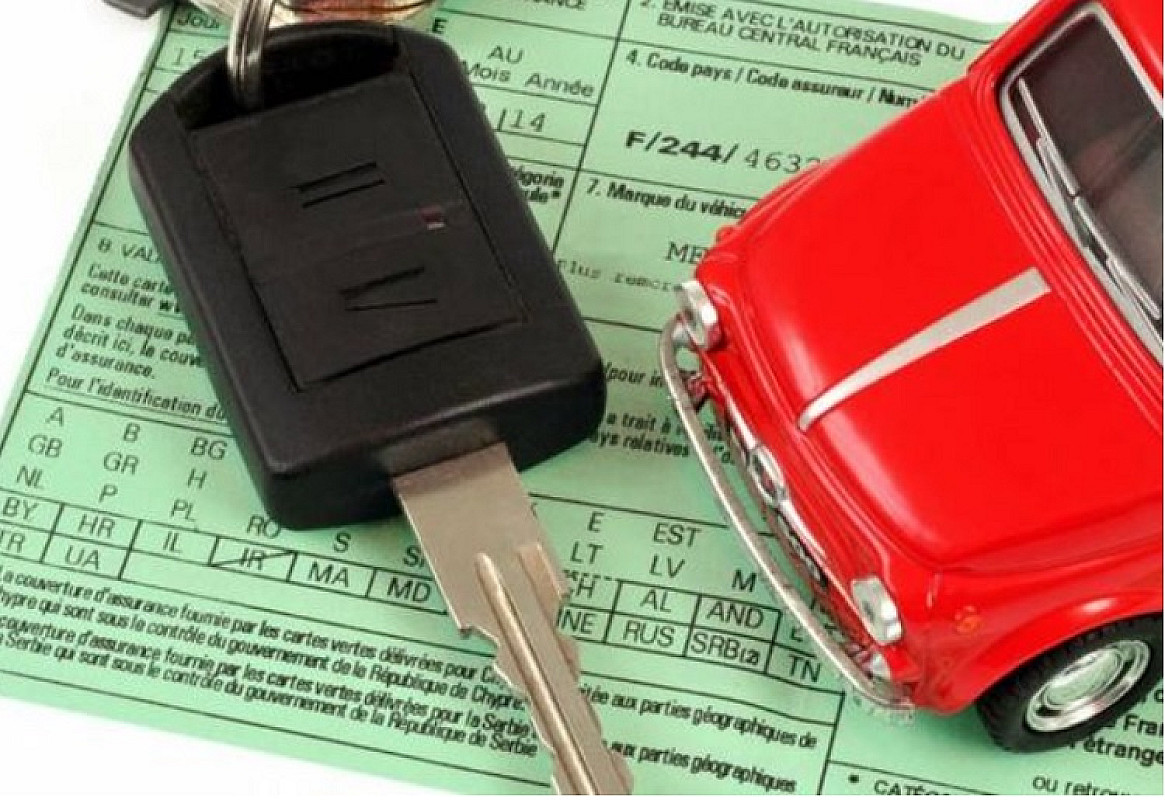
Obtaining a competitive car insurance policy in France has been made easier in recent years in large measure due to the growth in the number of comparison websites. A change in the law has also made it easier to change insurers, encouraging vehicle owners to move around.
Some of the most important comparison websites are Assurland, Lelynx and Les Furets.
Few can doubt that the sites have done an excellent job in increasing transparency, improving consumer knowledge and keeping down prices.
However, if you are using them some caution is needed, particularly if your search is governed entirely by price, and your understanding of the French language and insurance practice is weak.
Particular issues that need to be considered include:
- The websites are driven by the commission they receive from the insurers, so none of them covers the whole market; some insurers are simply unwilling to work with certain (or any) comparison websites;
- Few offers are directly comparable as they vary in the range of their cover, the services they offer and the level of the excess (franchise), of which there will be several, varying by type of incident.
- Be careful of headline figures, which frequently only offer minimal cover, to which you need to consider other 'optional' guarantees that may be offered. The addition of these options can significantly affect the final price;
- Some insurers restrict their offer to certain categories of vehicle, driver or geographic area, as we found when we carried out a comparison test of some of the policies.
- Many of the low-cost insurers (in particular) offer promotional rates to new clients, but the premium generally rises significantly in subsequent years;
- Some sites and insurers are unwilling to recognise foreign insurance history, so if you have a 50% no-claims discount on your home insurance policy, you need to be certain it will be accepted by the French insurer. Even if they do, some insurers seek an accredited translation of foreign NCDs.
Comparison sites make much of the need to check out each year whether you are getting the best deal, because that means you come back to their website every year, when they generate more traffic and income.
Searching the market obviously make good sense, and probably not enough international owners do that, often plumping for the first English language insurer they come across to take out a policy.
Fabien Pelissier, an insurance broker in south-west France, who offers an English language service, states that searching the market is important and not difficult, but that "the on-line insurers are generally not flexible in their tariff structures, so reductions that might be available by direct negotiation with a broker or agent are not possible. Many consumers might actually get a worse deal because of that," he says.
Perhaps the most significant issue concerns handling of claims; if you may have found the lowest quotation on the market but the insurer later refuses a claim made by you then the low price is going to be worthless. Low-cost insurers do not hold a monopoly of refusal of claims, but the chances of a claim being refused are likely to be higher with such insurers, as that is one of the principal ways they are able to offer such competitively priced policies.
Claims to the cheapest insurers are also almost exclusively handled on-line, often making it difficult to manage for international property owners.
)