
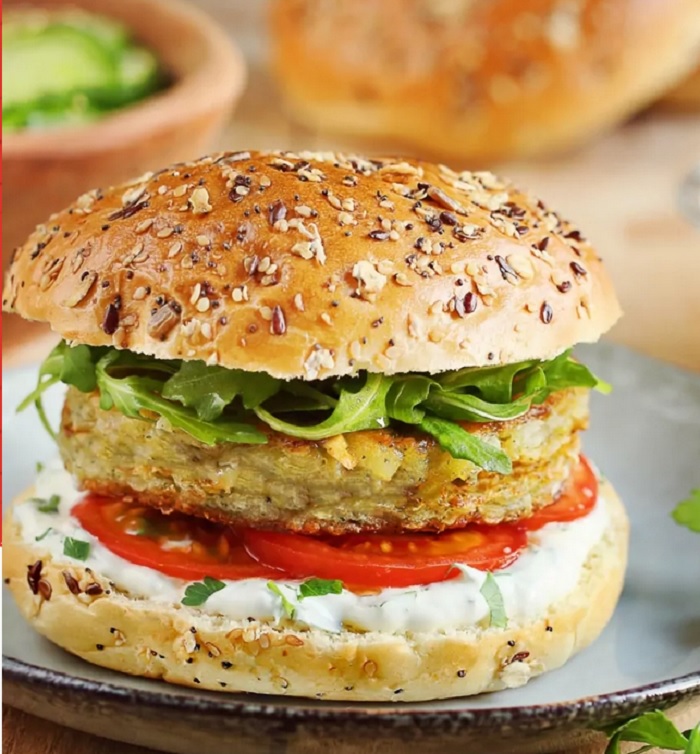
The French government is seeking yet again to ban the use non-animal foods being labelled meat products.
The animal protection lobby says saving four-footers doesn't mean depriving yourself of (vegan) bacon, but the French meat industry says if it didn't have feet, it's not meat.
Back in 2017, the European Court of Justice ruled that soya and tofu products could not be marketed as milk or butter.
This inspired Jean-Baptiste Moreau, a farmer as well as an MP and a member of President Macron's 'Renaissance' party to begin arguing that using fleshly terms for vegetarian replacements was misleading consumers.
"It is important to combat false claims," he tweeted. "Our products must be correctly designated. The terms 'cheese' and 'steak' should be reserved for products of animal origin."
It was an unsurprising retaliatory blow from the French meat industry, which over the last decade has come under regular attack from animal rights associations. The 'Association L214' in particular regularly posts horrifying videos shot under cover in intensive dairy farms, pig farms, egg factories and abattoirs.
Their cause is strengthened by regular reports from medical researchers warning the public about eating processed and red meat, and ecologists warning consumers that carnivorous diets contribute to climate change.
Whether or not people are listening, the stats show that French meat consumption has been falling since 1998, down from 93.6 kilos per person to 85 kilos per person in 2022.
Although figures over the last 5 years have been stable in terms of total meat consumed, they show that most households are buying less meat at the supermarket and cooking less meat at home. They are eating meat in the form of fast food instead.
This is not much of a win for either public health or for animal rights, but the battle in school canteens is steadily being won. Vegetarian menus are no longer a novelty in schools.
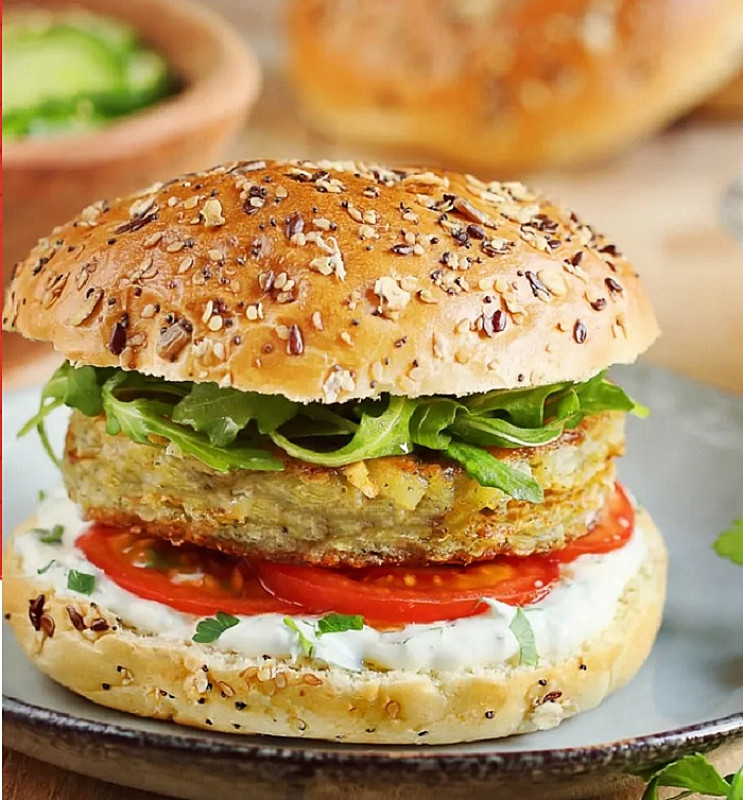
French restaurants are also gradually responding to demand, with vegetarian and even vegan options on their menus. So it is no longer revolutionary to see French supermarkets stocking veggie-burgers.
It is, however, an affront to a certain tribe of traditional French farmers who cannot understand why anyone would prefer a nut cutlet to an inviting mound of steak tartare topped with a raw egg yolk. Many would choke on their red wine were they to be faced with pâté de canard made of mushrooms and soya, a slice of cauliflower disguised as a steak, cheese made of flavoured tofu, and a helping of chick peas and carob cunningly wrought to resemble mousse au chocolat.
Last year, they were relieved to see a law passed to prevent these all-too-easy confusions. Steaks, chops, burgers, sausages, bacon, ham, spare ribs, grill, and anything else sounding meaty and yummy, would have to contain the actual remains of an actual dead animal, said the government, to a sigh of relief from the farmers. Vegetarian and vegan alternatives could call themselves anything they liked, as long as it wasn't sausage.
At the 11th hour, however, the law was stuck down by France's courts, much to the glee of the activists who invited the farmers to come and taste their veggie hot dogs.
Meanwhile medics and dieticians are increasingly bleating about vegetarian alternatives being ultra processed foods, but their audience isn't listening, and this year the linguistic battle has again been joined.
The French agriculture Minister Marc Fesneau has presented a re-jigged, re-worded, new law banning the use of carnivorous-sounding words on veggie packaging, and sent it to the European Commission for approval.
Guillaume Hannotin, from 'Proteines France', which represents manufacturers of vegetarian and vegan alternatives, said the term 'plant-based steak' had been in use for more than 40 years.
Brigitte Gothière, the co-founder of Association L214, makes no bones about wanting everyone to become vegetarian. She tweeted that French Agriculture Ministry has become 'the ministry of meat'. "Do people confuse motor oil, olive oil and jojoba oil? I think not. No more than they confuse vegan steak from beef steak."
If the European Commission nods this latest linguistic volley through the door it will come into force three months later and could produce some strange new names in the supermarket.