
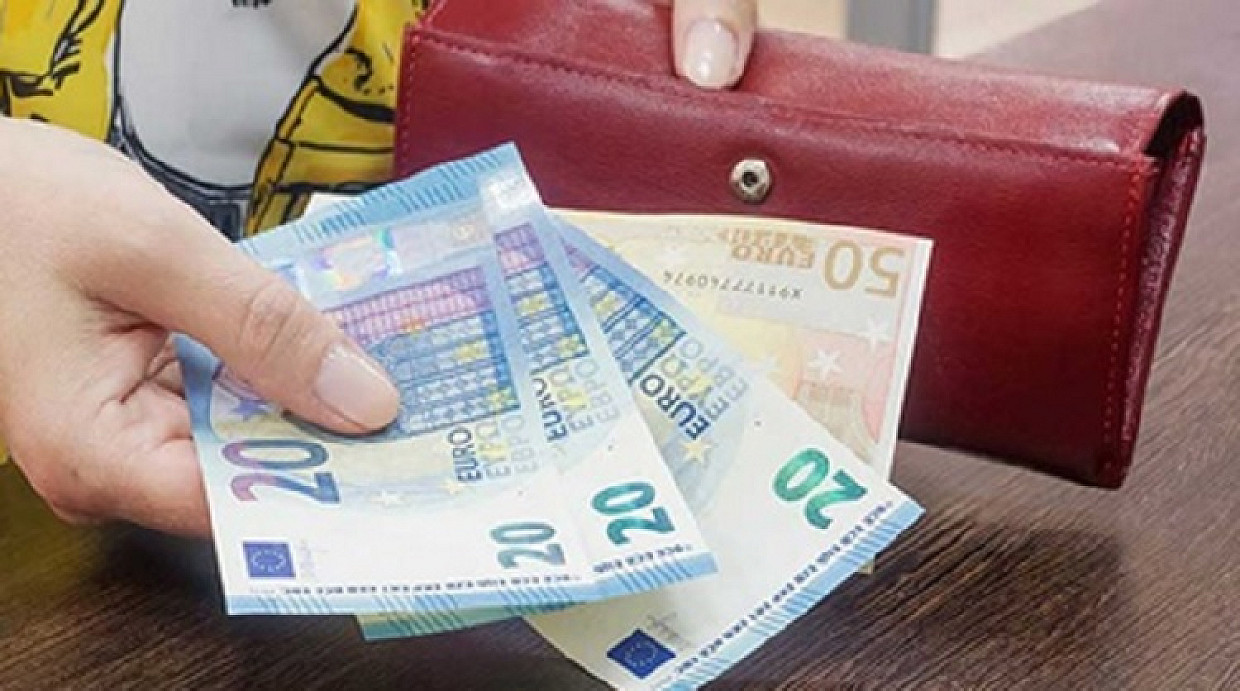
Despite the widespread growth in cashless transactions, around half of all payments in France continue to be made by cash.
In a statement released recently, the Committee national des moyens de payment (CNMP) stated that: “Cash remains legal tender in France. It must be accepted by commercial sellers, every day, including Sunday, as well as during events, such as festivals and sporting fixtures.”
Traders who are unwilling to accept cash can be fined up to €1,500.
Supermarkets in France have already had their fingers rapped by the CNMP over automatic tills used on Sundays, when no staff were present to accept cash payments.
Nevertheless, there are some circumstances where cash can be refused or is not permissible.
Thus, payments in cash between an individual and a commercial seller are limited to a maximum of €1,000. Above this limit payment must be by card, cheque or bank transfer.
A similar rule operates for the payments of income tax, which is limited to a maximum of €300 in cash.
Nevertheless, commercial sellers are not obliged to hold a cash till from which they can provide change. If you do not have the right change, they can refuse a cash payment.
Similarly, a shopkeeper can refuse a bill if it is poor condition, as can the Banque de France. Late-night shops can also refuse to accept cash.
Since COVID cashless payments have been on the rise, and payments of up to €50 can be made using a 'sans contact' bank card.