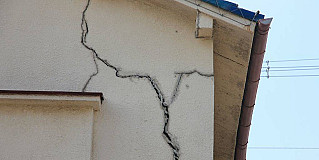

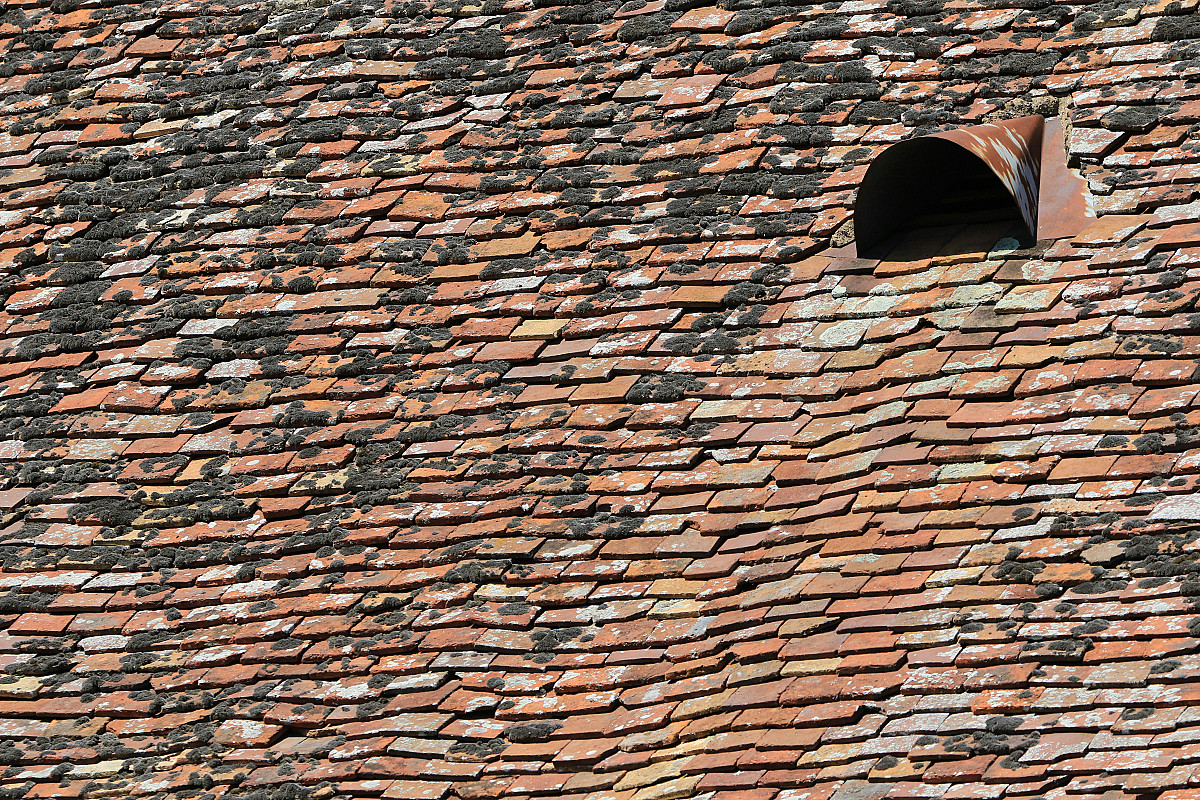
In the case, the new owners of a property found that their roof had major structural faults but failed in their attempt to obtain compensation from the seller.
The problem was discovered a year after the sale, when the new owners discovered that the roof structure was in danger of collapse, as a result of which they undertook emergency works of reinforcement.
A survey of the roof did not form part of the statutory surveys and reports that are provided as part of a property sale.
The buyers brought a legal action against the sellers claiming a hidden defect, a ‘vice caché.
Article 1641 of the civil code, on the guarantee against hidden defects states : 'Le vendeur est tenu de la garantie à raison des défauts cachés de la chose vendue qui la rendent impropre à l'usage auquel on la destine, ou qui diminuent tellement cet usage que l'acheteur ne l'aurait pas acquise, ou n'en aurait donné qu'un moindre prix, s'il les avait connus.'
However, under the terms of the sale and purchase contract in this case the seller did not accept responsibility for hidden defects, an exclusion clause that can only be overridden if it was found to have been made in bad faith, ie, that the sellers did know about the problem before the sale and said nothing about it.
The court appointed a building expert to examine the problem, but as temporary remedial work had been carried out by the new owners, he was unable to fully observe the disorders for himself, relying in large measure on photographs taken by the purchasers before and during the works.
In examining the roof he considered the defects made it unfit for its purpose since the roof was no longer waterproof and the structure was in danger of collapsing.
The expert attributed these disorders to multiple causes - the lack of cross sections to the trusses, the inadequacy or unsuitability of the fastenings of the trusses to the gables, the inadequacy of the stiffeners in the gables, and the undersizing of sections of the structural timber.
He concluded that the roof structure had to be replaced in its entirety estimating the cost of the work at nearly €40,000.
However, the expert stated that he was unable to certify that the disorders existed before the sale.
The defect was not apparent on the day of the sale to the buyers since the roof structure was hidden by a false ceiling and the attic inspection hatch was not easily visible.
The court was, therefore, unwilling to retain the evidence of the builder who had been engaged by the new owners as sufficient evidence of the prior existence of the defect and the seller's knowledge of it.
In a similar vein, the testimony of the new owners did not constitute proof of the prior existence of the defect and its knowledge by the seller since, as according to the legal expert, it was impossible to determine whether the breach existed before or after the sale.
Finally, the court noted that the purchasers did not notice any trace of infiltration into the false ceiling of the first floor before the sale or during the 15 months following their occupation.
As the new owners could not prove that the defect existed prior to the sale, and that the seller new about it, their case was dismissed.
Matthew Noble, an RICS Chartered Building Surveyor based in France comments that: "This case highlights the limitations of the statutory surveys. Such a problem could only have been discovered by a full building survey, which would also have been covered by the professional indemnity insurance carried by a professional surveyor.”
Related Reading:
© 2022 France-Insider All Rights Reserved