

Earlier this month, the European Commission published Directive (EU) 2025/2205, aimed at harmonising driving licence rules across the EU and improving road safety.
One of the principal measures is a new maximum validity period of 15 years for standard driving licences. The validity period for professional categories of licences (lorries, buses: C, CE, C1, C1E, D, DE, D1 and D1E) has been set at 5 years.
The law also permits Member States to reduce the 15-year validity period to 10 years, in certain cases.
These rules will apply only to licences issued after a Member State has transposed the directive into national law. Countries will have several years to implement the changes.
Holders do not need to retake the driving test when the validity period ends, but they will be required to undergo an assessment.
The rationale is that a licence issued a long time ago no longer necessarily reflects the current situation of the driver, considering health, eyesight, legislative changes, and vehicle technology.
Both the explanatory memorandum and the body of the directive indicate that, before renewal, the EU would like Member States to introduce certain checks, including medical examinations.
Nevertheless, as is so often the case with EU laws, there is a ‘notwithstanding’ clause which permits Member States to allow drivers to complete a self-certification form in lieu of a medical check-up.
Current Rules in France
Despite recurrent calls for medical check-ups to be undertaken for elderly drivers, successive French governments, mindful of the weight of the silver vote have always resisted any change.
The driving license is granted for life and without medical examination. The suspension of the license for medical reasons would only occur on the rare occasions where the driver requested it themselves (perhaps because they have been refused insurance due to a medical condition) or where the local préfet acts following concern expressed by relatives or police/gendarmes. In such instances, the driver might be required to undertake a medical check-up, which could lead to suspension of their licence.
The French government have yet to comment on the new law, so it remains to be seen what position they adopt when it is introduced.
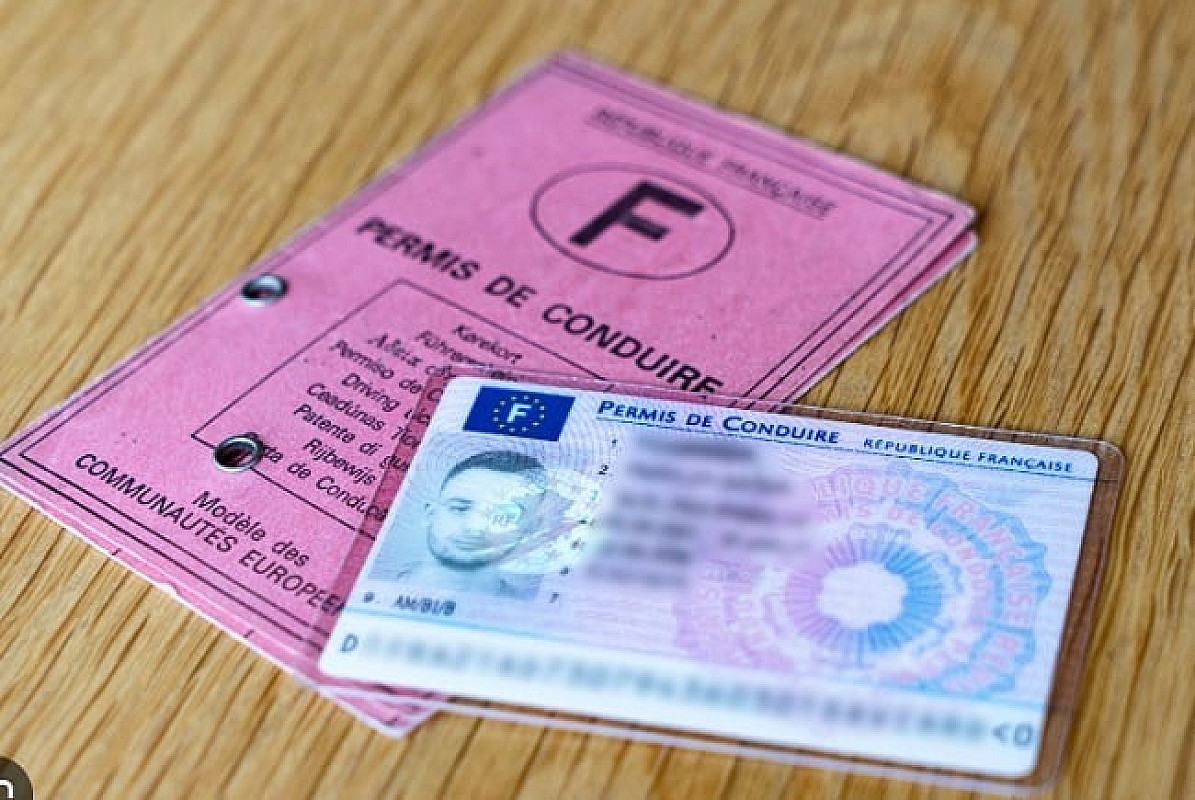
Since 2013, however, France has issued credit-card-format licences with a 15-year administrative validity period. Renewal is a simple formality with no test or medical evaluation. The first renewals for licences issued since 2013 will begin around 2028.
Non-EEA nationals who relocate to France are required to change their licence for a French one after one year, without the need for a test. EEA nationals may keep their original licence until it expires, unless they incur a traffic offence in France that results in a points deduction, in which case an exchange becomes mandatory.
Cross-Border Bans
One of the other changes in the law puts an end to cross-border impunity. Currently, nearly 40% of motorists sanctioned abroad escape the consequences.
With the new rules, a motorist who loses their licence in a European country for a serious infringement will no longer be able to drive in any other Member State. Once again, implementing legislation and administrative procedures will need to be introduced.
Related Reading: