

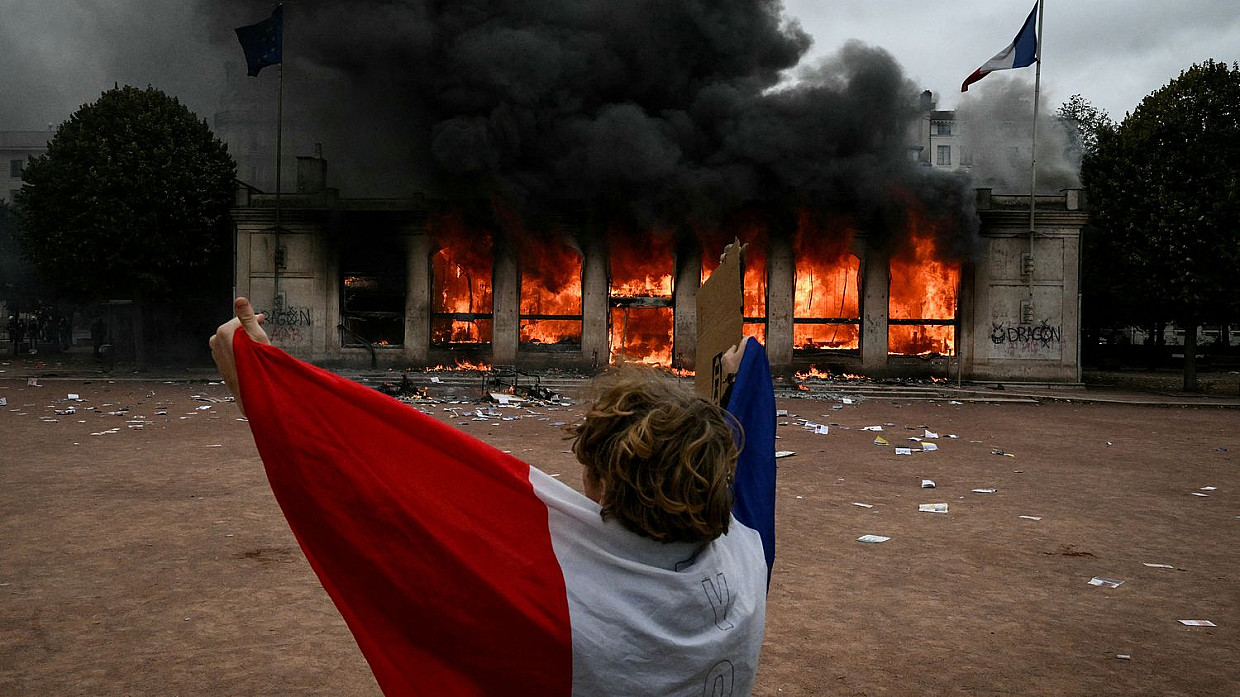
It has already acquired the unofficial name of “riot tax”, although it is not technically a tax on policyholders.
Instead, insurance companies will pay a new contribution de solidarité to help finance a mutualisation fund. The rate has not yet been set, although the legislation allows it to be as high as 1.5% of the relevant insurance premiums.
The change is significant because riot damage has traditionally been something insurers could exclude from their policies. Cover could be added, particularly for commercial insurance. Under the new system, riot cover will become compulsory for the relevant contracts, eg, property and vehicle insurance.
Insurers will still deal with claims from their policyholders. The new fund is there for the bigger losses, spreading the cost across the insurance industry rather than leaving individual insurers to carry the full burden. The State will also provide financial backing.
Under existing law, the State is liable for certain damage caused by violent crowds or gatherings, even where the authorities themselves are not at fault. An insurer that has paid its policyholder can, in some circumstances, recover the money from the State.
The new system puts insurers much more centre stage. Riot damage will first be dealt with through compulsory insurance, with the mutualisation fund helping insurers with the largest losses. The result is that more of the cost will sit within the insurance system, rather than being left to the State.
The change comes amid warnings by insurers that repeated and costly riots could make some risks difficult to insure. In areas considered particularly exposed, that could mean higher premiums, less cover or, in extreme cases, insurers deciding that they no longer want the risk.
The new system is modelled to some extent on France’s catastrophes naturelles (CATNAT) scheme, which imposes a levy on property insurance contracts. The major difference is that the CATNAT charge appears directly on policyholders’ insurance premiums, whereas the new riot contribution will formally be paid by insurers. The cost is nevertheless likely to feed through into premiums, so ultimately it will be borne by policyholders.
The government estimates that the new mechanism could raise around €400 million a year.
There are still some important details to be settled, including the deductibles and the limits on the amounts that can be transferred to the fund.
The scheme is intended to start on 1st January 2027, subject to European Commission clearance and the publication of the necessary regulations. The disturbances this month will therefore not fall within the new system.
Related Reading: