

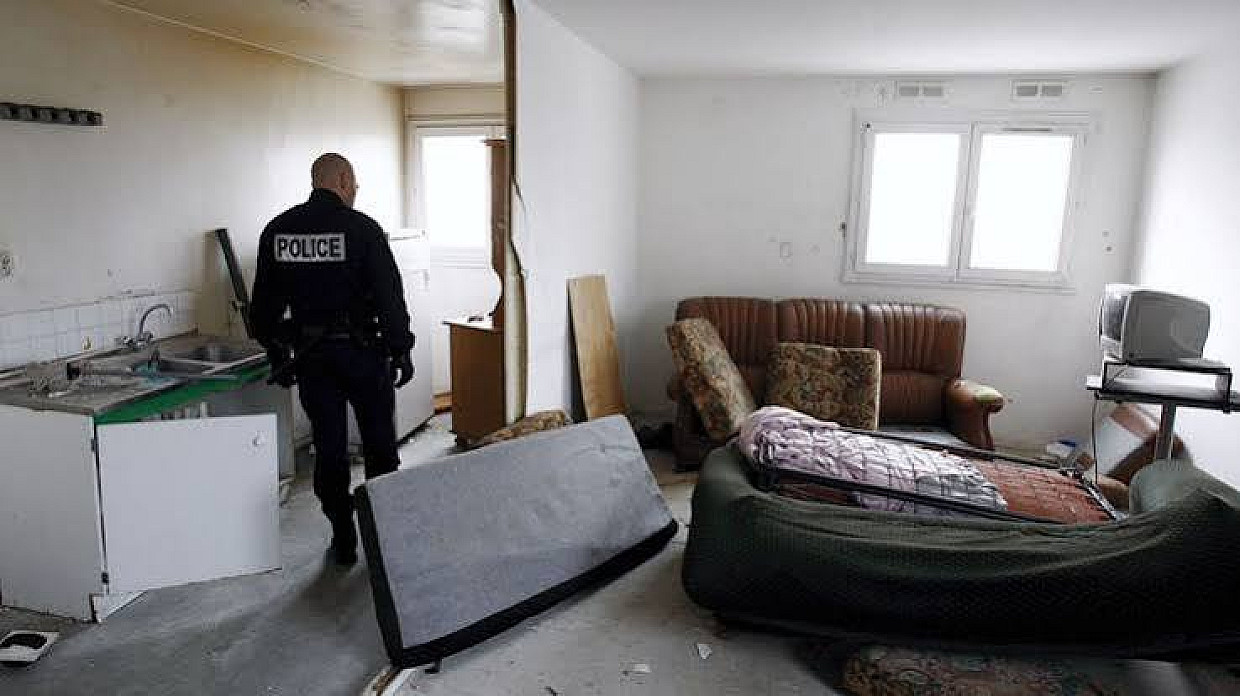
The measure is included in the government's Ripost bill on public order, which has received backing from both the Senate and the National Assembly and is expected to receive final parliamentary approval shortly.
The reform responds to a growing phenomenon in France's huge short-term rental market (meublés de tourisme), where some individuals use platforms such as Airbnb and Booking.com to gain lawful access to a property before refusing to vacate it, forcing owners into lengthy and costly civil eviction proceedings.
France substantially strengthened protections for property owners in 2023 with the enactment of the so-called "anti-squat law".
That legislation expanded the circumstances in which illegally occupied homes could be recovered through a fast-track administrative procedure rather than through the courts.
The procedure can often result in occupants being required to leave within approximately 72 hours once the prefect authorises the eviction.
However, the law left an important exception for where a person initially entered a property lawfully, they fell outside the statutory definition of a squatter.
This left tourist rentals exposed.
French property professionals say this legal distinction has increasingly been exploited, and reports of occupants deliberately booking short-term accommodation with no intention of leaving when their reservation expires have become more frequent.
Using conventional judicial eviction proceedings can take months and potentially cost several thousand euros.
Procedure
Contrary to some headlines that have appeared in the press, the new procedure does not allow owners to remove occupants themselves or to bypass public authorities entirely. Rather, it replaces a potentially lengthy court process with an administrative decision, supervised by the prefect, of the kind already available in straightforward squatting cases since 2023.
To invoke the procedure, the owner must engage a Commissaire de Justice (formerly known as a huissier de justice) who manages the process on the owner's behalf and liaises directly with the local prefecture. The Commissaire de Justice handles the formal steps, making the procedure accessible without the need for the owner to instruct a lawyer or initiate court proceedings.
If the prefect refuses the evict, the decision must be reasoned, and the owner retains the right to pursue a traditional judicial eviction through the courts.
In practice, the process can therefore result in an eviction within roughly three days, although the exact timing depends on the administrative handling of each case.
Related Reading:
.