
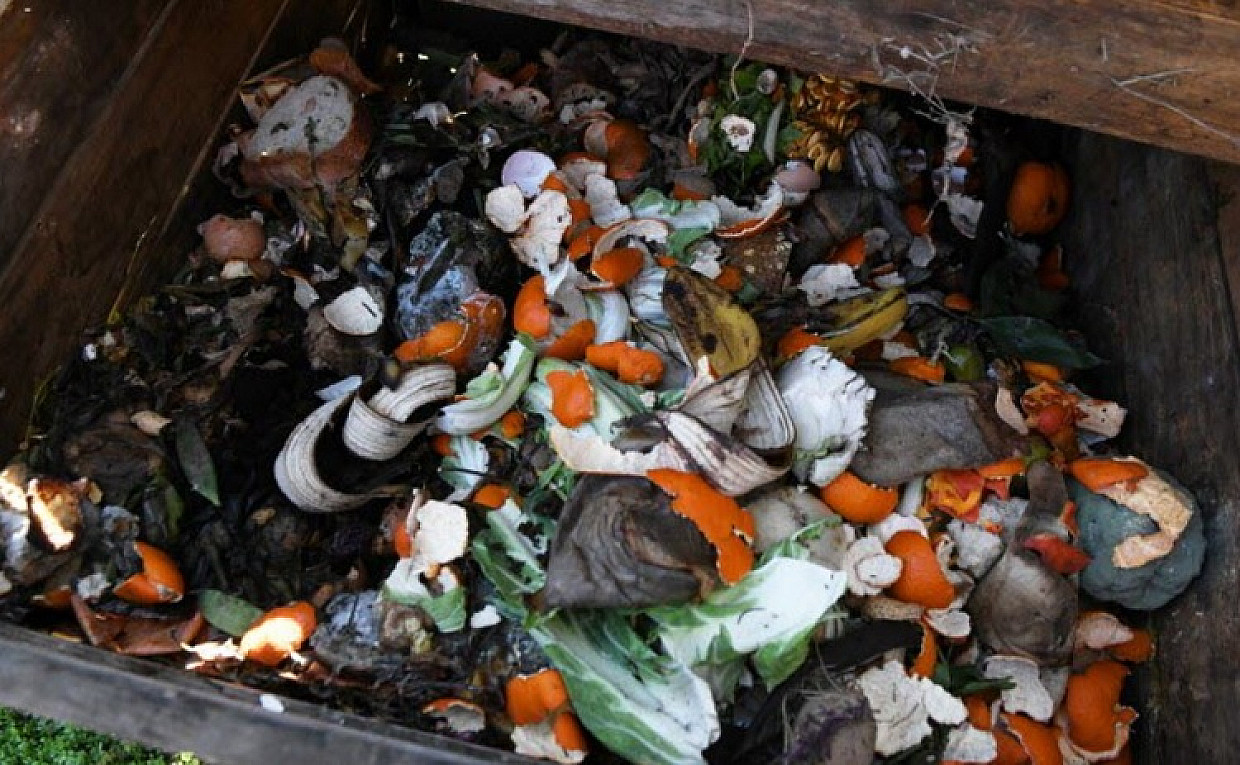
In the wake of the loi anti-gasspilage passed in 2020, new regulations come into force from 1st January concerning the composting of bio-waste (excluding garden waste).
However, contrary to popular rumour, the obligations rest primarily with the local councils, not with individual households.
Local authorities must offer households solutions for sorting bio-waste at source, such as door-to-door collection, sorting terminals or shared composters.
There is no direct obligation on households to compost, albeit that many local councils are toughening their stance about what they will accept at local waste dumps (déchèteries)
Households will therefore be encouraged, but not coerced, to adopt these practices.
All the indications to date are that most local councils are ill-prepared for the measure, with only a small minority having put in place suitable solutions.
ADEME, the national environment agency, has stressed the importance of sorting bio-waste, as a civic gesture, while confirming the absence of specific penalties for non-participation. Nevertheless, potentially under the law a fine of €35 may be payable if a household does not respect the composting rules established by their local council. The government has indicated that for at least for the first year, fines will not be imposed.
According to the environment agency, one third of the contents of household bins are made up of food waste, equivalent to 83 kg of residual waste per inhabitant/year.
The new law is one of several measures that have been introduced in France in order to comply with European waste disposal regulations.
Amongst other measures have been grants for the repair of domestic appliances, the elimination of plastic packaging for certain fruits and vegetables, and the abolition of the automatic provision of paper receipts on purchases.