
Court to Rule on Hunting Rights on Private Land
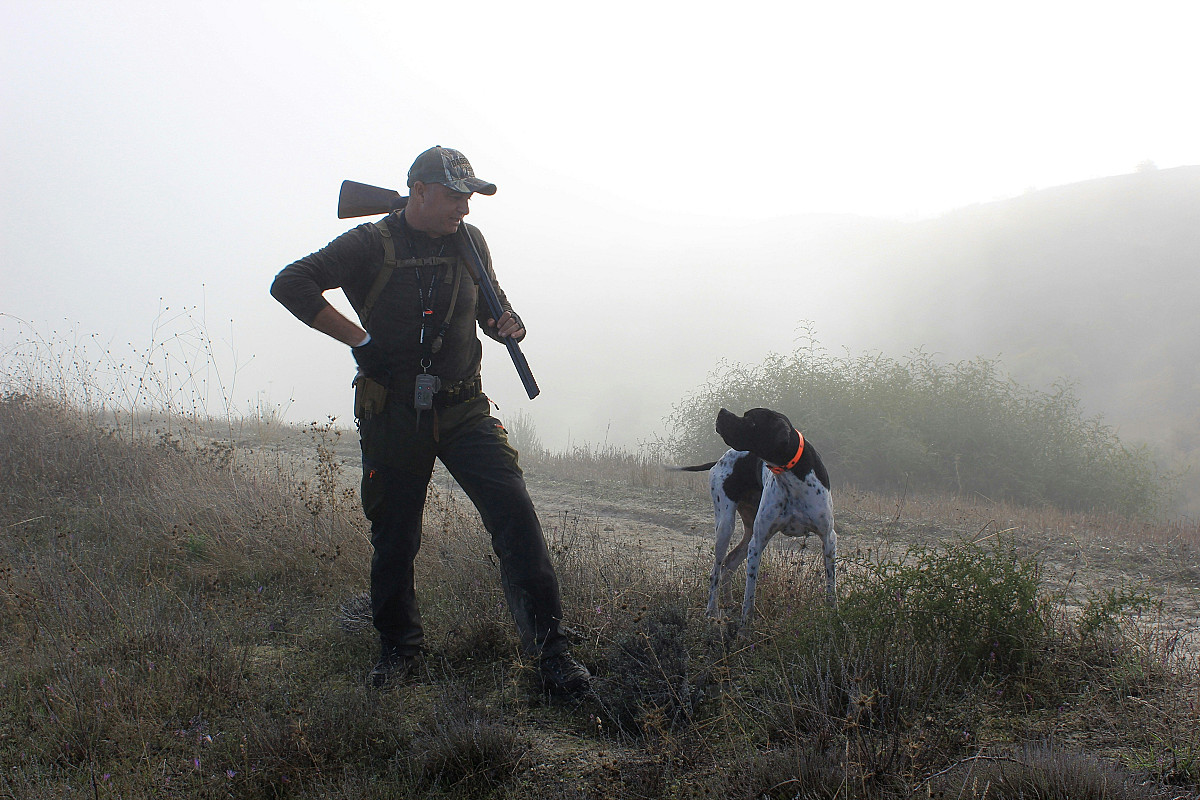
As we have previously reported in these pages , in 2000, as a result of a ruling of the European Court of Justice, France was obliged to change its hunting laws, which, under certain conditions, granted a right of hunting on private land.
The court ruled that the existing law infringed a range of basic rights - the right of freedom of conscience and lifestyle, the freedom not to join a group, and the right of ownership of one's property.
The new law gave owners a right to opt out of allowing access for hunting on their land due to their personal beliefs - ‘au nom de convictions personnelles'.
This power of opposition can be freely exercised by an owner, without any need for justification, although it is necessary to lodge an application.
The right is set out in Article L. 422-10 5 of the Code de l'environnement, which states that the local hunting association can hunt on land, except land: 'having been the subject of opposition by owners who, in the name of personal convictions opposed to the practice of hunting, prohibit, including for themselves, hunting on their property, without prejudice to the consequences of the owner's liability, in particular for damage which may be caused by game coming from his property.' The clause also prohibits hunting within 150 metres of a dwelling.
In a somewhat heavy handed process, the request for opposing hunting on your land must be sent to the head of the departmental hunting association, but the important point about it all is that the hunting association cannot make a judgement on it: provided it is procedurally correct, your request must be granted.
The problem then for the local hunting association is that where large game do cause damage to crops, farmers can claim compensation from the association, who have a legal responsibility in designated hunting areas to manage big game.
As the amount of such compensation could be very high, the law enables the prefet to require local landowners to undertake a cull of game on their land in order to maintain the balance of the local natural environment, called l’équilibre agro-sylvo-cynégétique.
Where an owner refuses to comply, they can be financially liable for the damage then caused to crops.
That arose recently in a case before the French courts, where a property owner in the department of Yvelines had created a refuge on their land. As a result, they filed their opposition to hunting on their land.
Nevertheless, based on advisory reports from local hunting and agricultural bodies, the prefet of Yvelines issued an order to the owner to undertake a cull of dozens of wild boars from their land.
When the case went before the lower courts, the judges considered it raised a constitutional issue, as a result of which it was referred to the Constitutional Council (CC).
The CC now have the task of ruling on whether the right of opposition to hunting on land is protected by the French Constitution.
They will also need to consider whether the prerogative granted to the prefet to exceed the owner's right of opposition, as well as the possibility of engaging the financial responsibility of the owner in the event of damage caused by un-hunted game, is therefore legal.
No date is yet known when the CC are likely to make their ruling, but it is not unusual for it to take many months, even a year or more. The decision is eagerly awaited by groups on all sides in France, as it could well have profound implications on hunting in France.
Related Reading:
© 2022 France-Insider All Rights Reserved