
18th March 2025
Landlord rights to terminate a tenancy are strictly controlled in France, both in substance and in form.
Tenants who occupy an unfurnished tenancy as their principal residence have security of tenure for a minimum of 3 years. The renewal period is 1 year for a furnished tenancy, provided the tenant occupies the property as their home.
The tenancy can only be terminated before the end of the term in the event of non-payment of rent, a failure to insure the property, or other serious breach of the conditions of tenancy.
In the absence of such justifiable reasons the tenancy is renewed automatically for a further 3 years, unless the landlord gives prior notice that they wish to sell the property, or use for their own (or close relative) occupation.
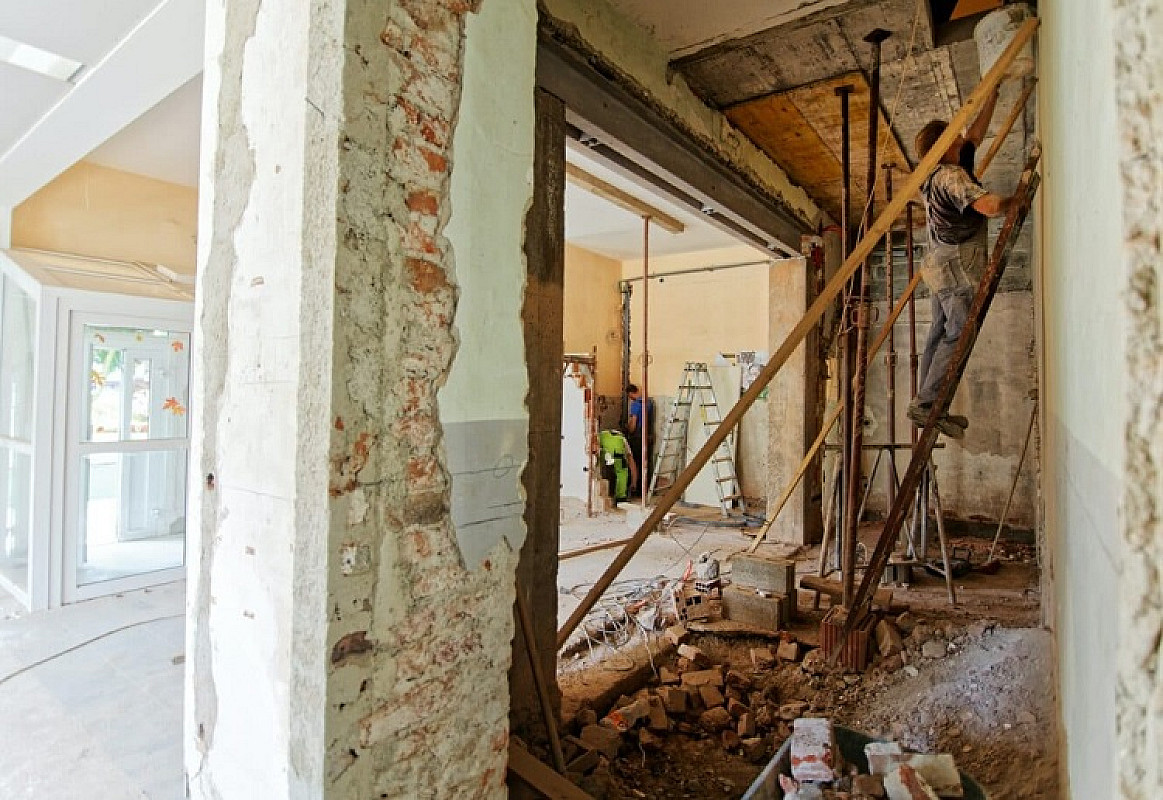
However, although not explicitly provided for in statute law (the law merely refers to a “motif légitime et sérieux”), it is also possible for a landlord to terminate the tenancy (normally at the end of the term) to undertake major building works.
If such works cannot reasonably be carried out with the tenant in occupation, the landlord can serve notice to terminate the tenancy, at least 6 months (3 months for furnished tenancy) before the expiry of the term.
The landlord is not required to prove that the property is in a poor condition or does not meet current norms, although the chances of a court ruling in their favour are likely to be increased if this is the case.
More importantly, the landlord must demonstrate that the proposed works are not merely a ruse to remove the tenant, but that they have a clear and firm intention to implement the project. The landlord must also prove that the works necessitate the tenant vacate the property.
Accordingly, they would need to provide drawings, estimates, and details of the proposed works, as well as any administrative consents that were necessary.
If the tenant is unwilling to accept the notice of termination on such grounds then it would be necessary for the landlord to commence a legal action for recovery of possession of the property, when they would need to produce the necessary evidence.
Related Reading: